
Q&A with Dr. Mariel Lavieri, AI&DHI’s new faculty lead
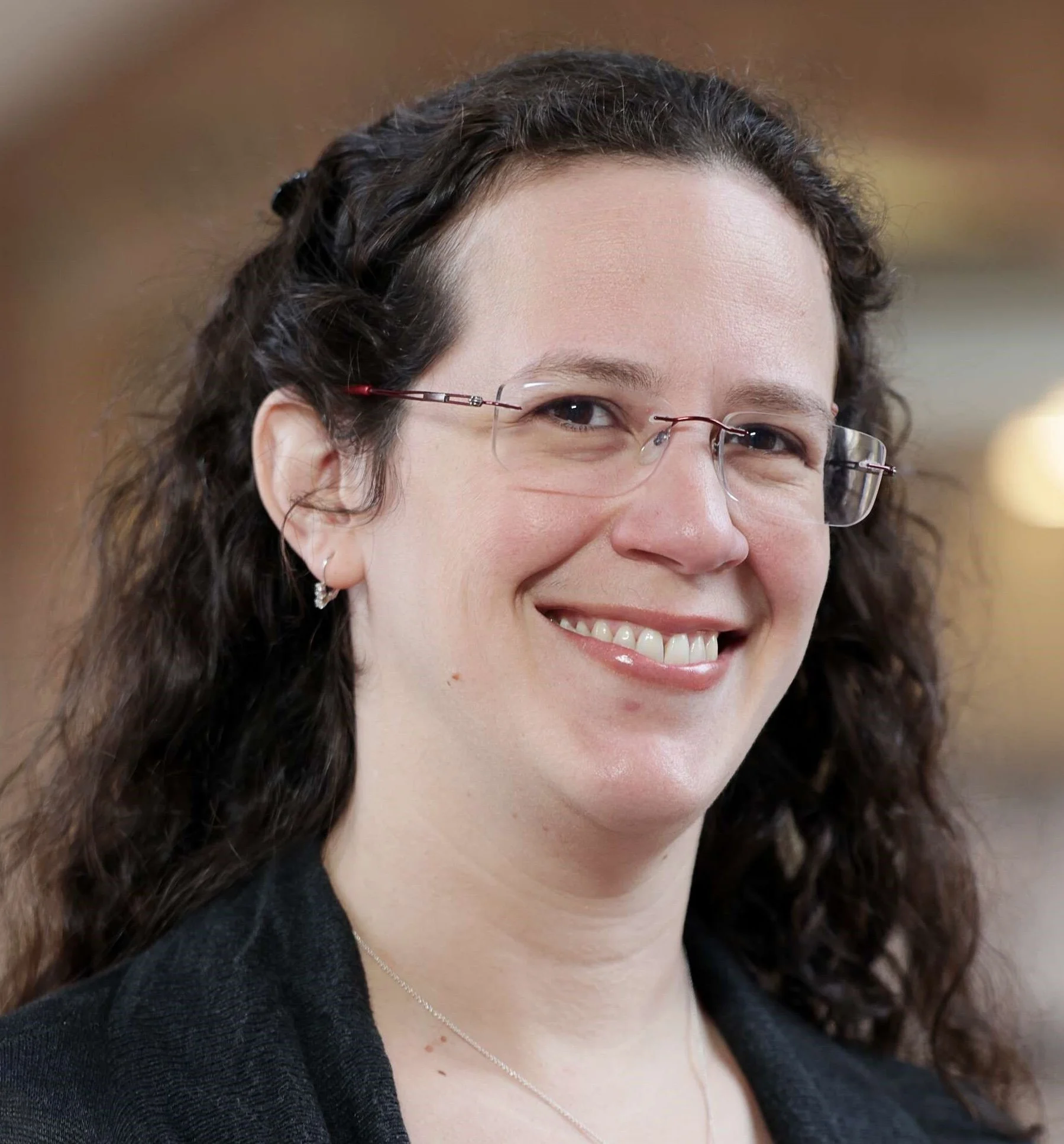
AI&DHI recently welcomed a new faculty lead to our team from the College of Engineering–Mariel Lavieri, PhD. Dr. Lavieri is Professor and Associate Chair for Undergraduate Studies in the Department of Industrial and Operations Engineering at U-M.
Her research applies operations research and advanced modeling, including dynamic programming, stochastic control and state-space models, to optimize healthcare decision-making. She has developed innovative frameworks to guide screening, monitoring and treatment strategies across a range of chronic diseases, as well as models for health workforce and capacity planning.
As Dr. Lavieri jumps into this new role, we pitched her several questions to better understand her vision for AI&DHI, her hopes for how the College of Engineering can play a lead role in the field of AI and digital health, and more. Take a read below, and help us to warmly welcome Dr. Lavieri to AI&DHI!
Q: What does this new Faculty Lead role for AI&DHI mean to you?
A: I have been at Michigan since 2010, and my work focuses on creating analytical methods to guide decision-making in healthcare, both at the patient level and at the policy level.
Over the years, I have come to realize the opportunity of utilizing the rich data collected in our healthcare system to inform these decision-making models: from model conception and validation to the implementation of our findings.
While I am aware of the vast opportunities this dataset presents, I am also familiar with the challenges researchers face in working with it. I am therefore thrilled to work alongside the wonderful AI&DHI team in addressing some of those challenges and enhancing the opportunities available to our research community.
Q: How do you hope to guide the growth of AI&DHI through your role as faculty lead, and how do you hope to see AI&DHI grow?
A: I'm coming into the role full of ideas, yet I also humbly acknowledge that I have a lot to learn. I can see vast opportunities in supporting researchers who are interested in translating their research into practice.
I also see our healthcare system evolving, and us, as researchers, needing to not only adapt but also lead those changes: from increased care received outside traditional hospital settings to AI playing a larger role in healthcare.
As AI&DHI provides support to researchers in this changing environment, it will also need to consider other stakeholders who may not have traditionally been involved in this conversation.
Q: What specific visions or hopes do you have in mind in terms of how Engineering plays a core part of AI&DHI’s work?
A: When considering the future of digital healthcare, our disciplines cannot plan in isolation. As an engineer, I am interested in the rigor of the algorithms created. My vision is for engineers to bring that perspective not only in model creation but also in model validation and implementation, ensuring that new technologies can be translated and implemented to directly impact patient lives.
Engineers must work alongside members from the medical and public health schools to understand and design the infrastructure that supports such a vision.